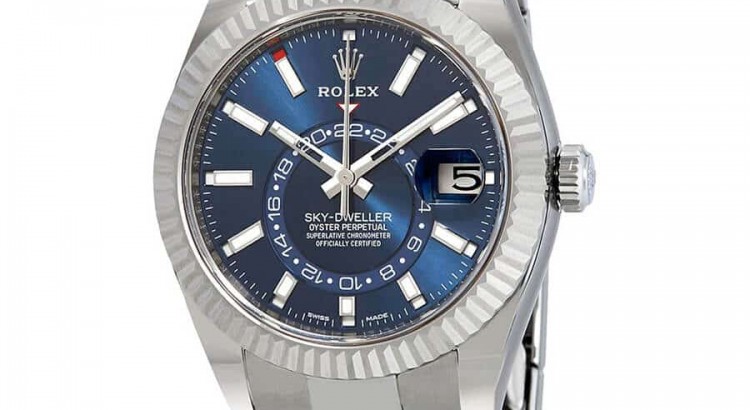
Rolex occupies a unique position in the watch world. While opinions may vary, the brand’s indelible contributions to horology are undeniable. They pioneered the first truly water-resistant watch, introduced the self-changing date complication with the Datejust, and revolutionized travel with the original GMT-Master – the first replica watch to simultaneously display two time zones. Today, our focus shifts to the evolution of that iconic traveler’s watch: the Rolex GMT-Master II, specifically the groundbreaking reference 116710BLNR. 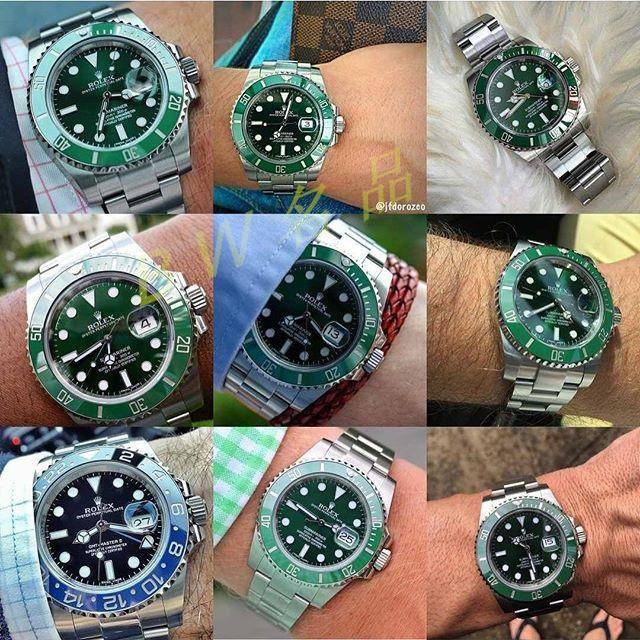
The contemporary GMT-Master II lineage began in 2005 with the anniversary model, the solid gold reference 116718LN, featuring Rolex’s signature green dial. While retaining the classic 40mm diameter, this generation introduced what collectors term the “Super Case” and “Maxi Dial” – signifying a more substantial case profile and dial adorned with bolder hour markers. This design inherently makes the watch appear and feel larger than its dimensions suggest. Crucially, it debuted Rolex’s proprietary Cerachrom ceramic bezel, heralded as virtually impervious to scratches and fading. Further refinements included a larger Triplock crown, a redesigned Oyster bracelet with polished center links and the practical Easylink 5mm extension system, a distinctive green 24-hour hand, and the upgraded Caliber 3186 movement. While functionally identical to its predecessor (Caliber 3185), the 3186 incorporated Rolex’s innovative Parachrom hairspring for enhanced resistance to shocks and magnetism, alongside a smoother and more precise jumping local hour hand mechanism.
Following the solid gold model, Rolex unveiled the two-tone Rolesor reference 116713LN in 2006, and finally, the all-stainless steel reference 116710LN in 2007. These new iterations unquestionably offered technical advancements, yet they conspicuously lacked the defining bi-color bezels that rendered the vintage aluminum-bezel GMT-Masters instantly recognizable. The challenge lay in the material. While aluminum allowed for relatively straightforward two-tone inserts, ceramic’s extreme hardness presented significant manufacturing hurdles. For years, Rolex maintained that creating a durable, sharply defined two-color ceramic bezel was an impossibility. 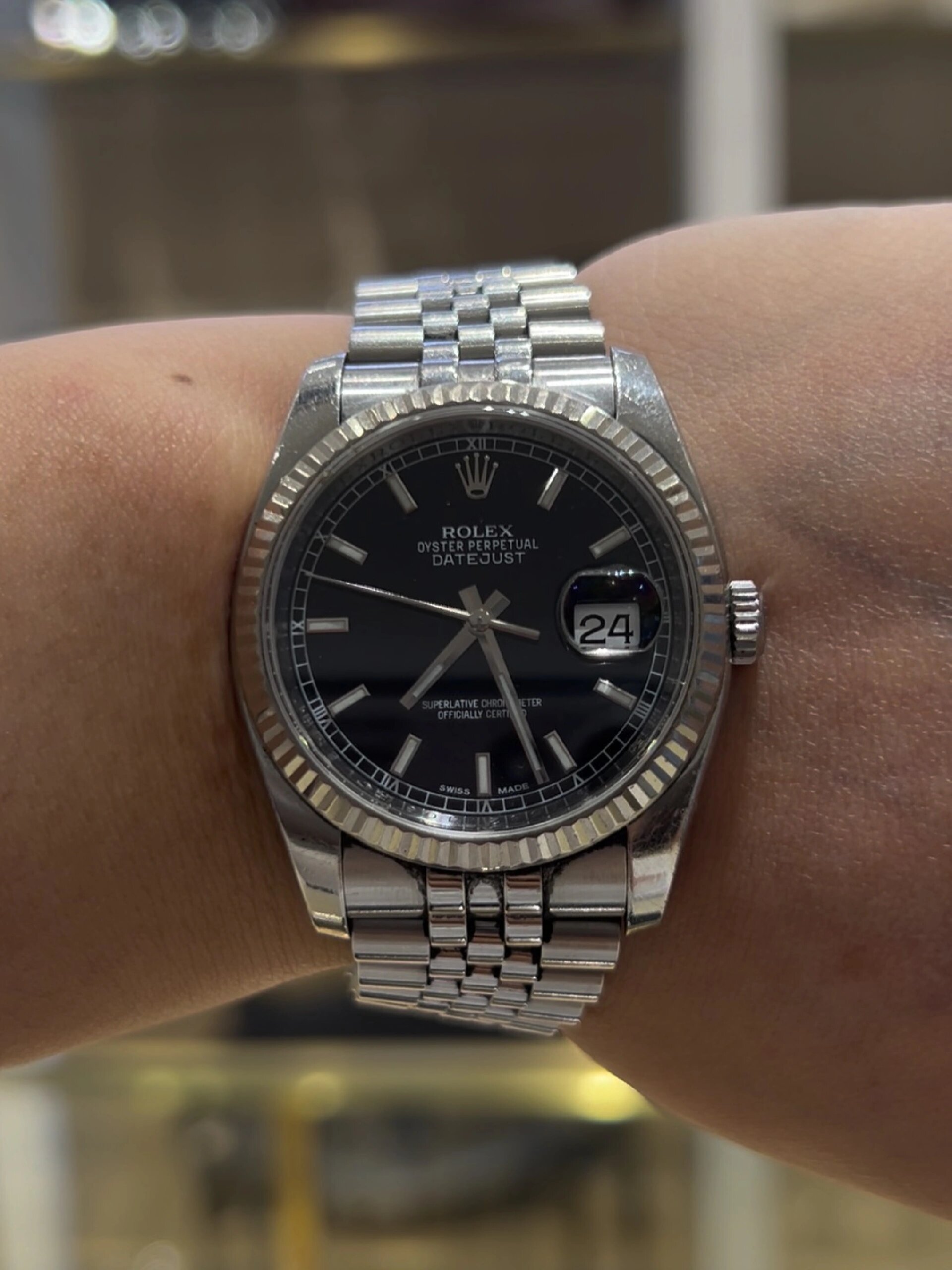
The arrival of the reference 116710BLNR silenced that notion. Its immediate and sustained market frenzy, coupled with resale values hovering remarkably close to – and often exceeding – retail price (even by clone Rolex standards), speaks volumes. Dealers frequently command significant premiums, making finding one at its official list price an achievement in itself. Securing this example for review required considerable persistence.
Rather than reiterating the well-documented capabilities of the Caliber 3186 (covered extensively in reviews of the 116713) or detailing the GMT-Master II’s universally recognized features, let’s focus on the essence of the 116710BLNR: its revolutionary blue and black Cerachrom bezel, and the justification for its approximate $600 premium over the standard black-bezel 116710LN.
This bezel represents a remarkable technical accomplishment. Starting as a single piece of blue ceramic, Rolex employs a patented process to integrate the black segment. Precise masking protects one half while the exposed section undergoes a specialized chemical treatment to transform its color. The resulting transition between midnight blue and jet black is flawlessly sharp, with no perceptible bleeding. The engraved numerals are then meticulously filled with platinum, creating a luminous, three-dimensional effect that ensures outstanding legibility and visual depth.
Admittedly, blue and black is an unconventional pairing for replica Rolex, unprecedented before the BLNR. Color preference is inherently subjective, yet the rationale holds a certain logic: blue representing daylight hours and black signifying night. If blue isn’t your preference, the classic 116710LN remains an impeccable choice. However, if you appreciate blue or are open to it, prepare for a chameleonic display. Under bright, direct sunlight, the blue radiates with a stunning, almost electric brilliance, occasionally hinting at purple hues at acute angles. In lower light, the blue dramatically recedes, rendering the bezel nearly indistinguishable from solid black. This dynamic interplay with light is the bezel’s defining magic.
This characteristic imbues the watch with exceptional visual dynamism compared to the more subdued, uniformly black bezel of the 116710LN. Crucially, photographs consistently fail to capture the full spectrum of this light-reactive quality – a sentiment echoed by numerous BLNR owners. Witnessing it firsthand is transformative; initial impressions formed online rarely survive a personal encounter.
This very vibrancy, however, dictates the watch’s character. The 116710BLNR inherently leans towards a more casual and visually engaging aesthetic. If your priority is a strictly serious, understated tool watch, the timeless black bezel of the 116710LN might align better with that intent. It remains a benchmark modern classic.
Beyond the bezel, the 116710BLNR substitutes the LN’s green 24-hour hand and “GMT-Master II” text with a blue hand and white text. These subtle differences, coupled with the ceramic innovation, justify the premium for many. It represents not just a Rolex first, but a horological world first: the inaugural production bi-color ceramic bezel. The choice of blue and black, diverging from the expected blue/red or black/red “Pepsi”/”Coke” schemes, further establishes its unique identity. Ultimately, the mesmerizing way its blue surface dances with light provides constant, captivating variation. 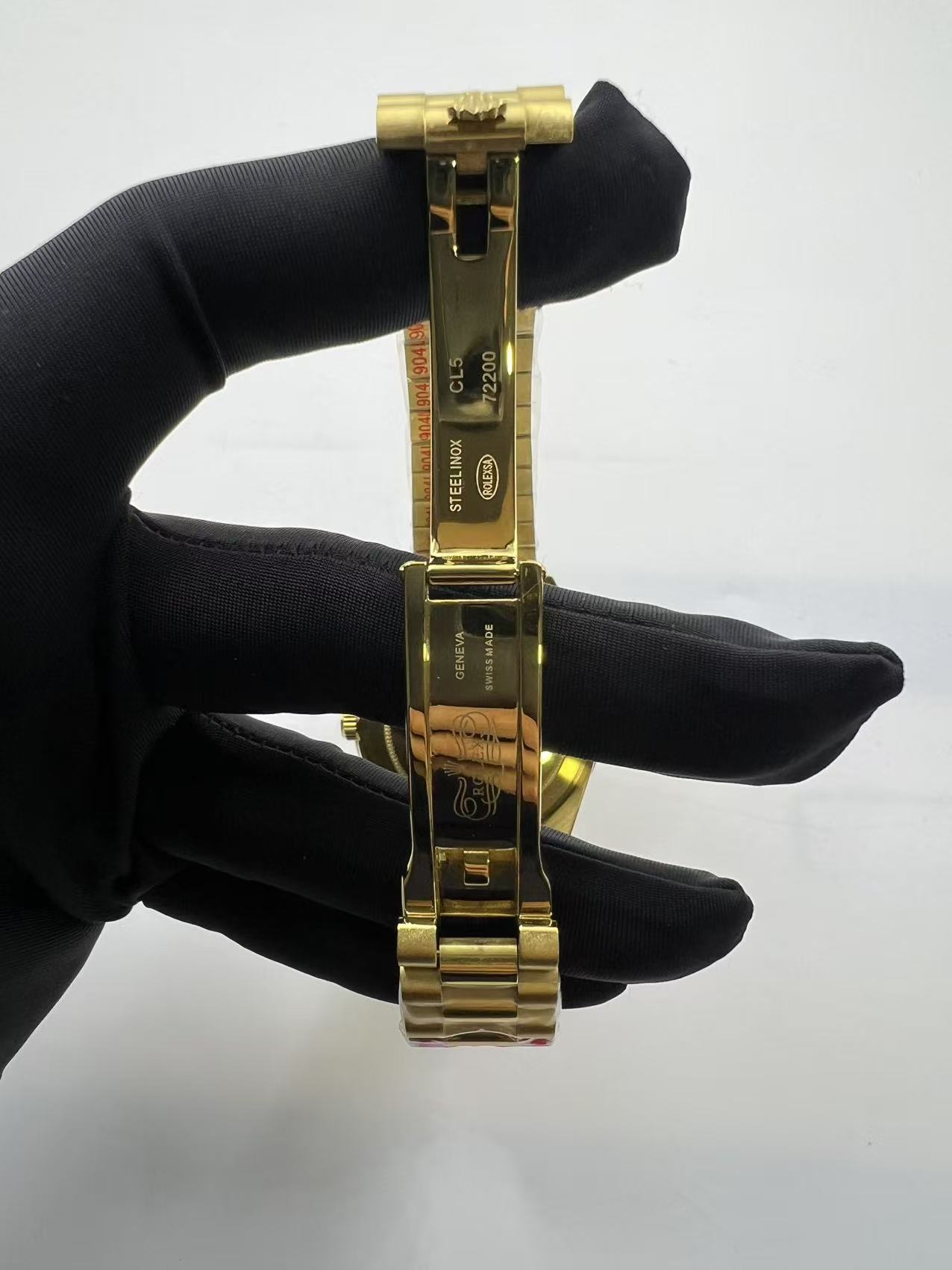
For those deliberating between the Rolex GMT-Master II 116710BLNR and the 116710LN, the advice, while perhaps clichéd, is essential: experience both in person. The BLNR’s defining characteristic – its transformative bezel – is an optical phenomenon that demands firsthand appreciation. Its ability to shift from vibrant brilliance to stealthy subtlety under different conditions is the heart of its appeal and the key to understanding its place on the wrist.
